
The sweltering Arkansas summer can be a challenging time for beekeepers. When extreme heat waves hit, your diligent honey bee colonies face significant stress, risking everything from melted comb to brood death. Understanding and implementing immediate emergency ventilation techniques for Arkansas beehives in extreme heat waves isn't just good practice; it's vital for the survival and prosperity of your bees.
Here at beekeepers.pro, we know the unique climate challenges faced by Arkansas beekeepers. Our goal is to equip you with actionable strategies to protect your buzzing residents when the mercury soars. Overheating can lead to serious issues, as bees expend valuable energy fanning the hive and bringing in water, diverting resources from honey production and overall colony health. Let's delve into how you can provide critical relief.
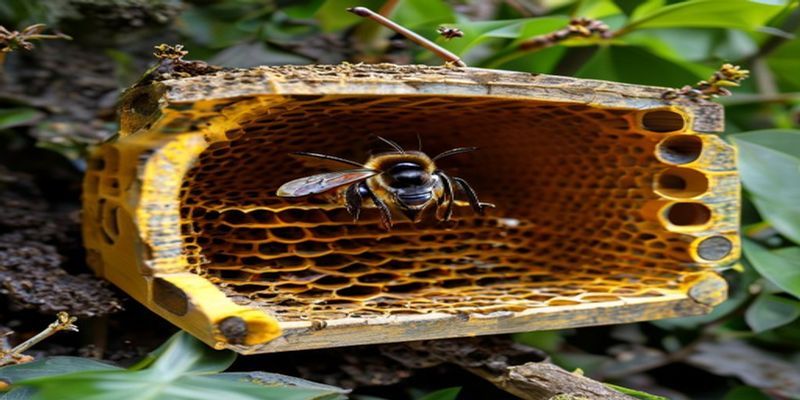
Immediate Shade Solutions for Arkansas Beehives During Heat Waves
The first line of defense against extreme heat is shade. If your hive isn't already in a shaded location, or if the existing shade proves insufficient for a brutal Arkansas heatwave, emergency measures are necessary. Creating temporary shade can significantly reduce the internal hive temperature.
Tarps or Shade Cloths: Drape a light-colored tarp or specialized shade cloth over your hives. Ensure there's an air gap between the cloth and the hive body to allow for airflow and prevent heat from radiating directly onto the roof. You can prop it up with stakes or even branches.
Plywood or Cardboard: A piece of plywood or thick cardboard can be leaned against the sunny side of the hive or placed flat on top, again, with an air gap. This is a quick fix for direct solar radiation.
Move Hives (Cautiously): In extreme situations, if a permanent shade solution isn't available, and you have lightweight nucs or single-brood boxes, carefully move them to a naturally shaded spot like under a large tree. This should be a last resort and done in the cooler parts of the day, with minimal disturbance to avoid further stress. For more permanent solutions, consider our guide on DIY Shade Structure Plans for Arkansas Backyard Beehives.
Maximizing Airflow: Top and Bottom Emergency Ventilation Techniques for Arkansas Beehives
Beyond shade, increasing ventilation is paramount. Bees naturally regulate hive temperature by fanning, but they need help when temperatures push into triple digits. These emergency ventilation techniques directly address airflow within your Arkansas beehives.
Creating Top Ventilation
Heat rises, so opening the top of the hive is crucial. This allows hot, stale air to escape efficiently.
Pry Open the Inner Cover: Gently pry up your inner cover and place small shims (such as popsicle sticks, small pebbles, or even hive tools) at the corners. This creates a small gap allowing hot air to exit without compromising hive security too much. Remove these once the heat breaks.
Add a "Ventilation Rim" or Empty Super: Place an empty super or a dedicated ventilation rim (a shallow box with screened sides) directly under the outer cover. This creates a significant air space above the inner cover, improving convection and allowing heat to dissipate.
Screened Top Covers: If you have screened top covers, now is the time to use them. These provide excellent passive ventilation.
Enhancing Bottom Board Airflow
Good bottom ventilation works in conjunction with top ventilation to create a chimney effect, drawing cooler air in.
Wider Entrance: Ensure your hive entrance reducer is removed, providing the widest possible entrance. Bees will use this for both ingress/egress and fanning.
Screened Bottom Boards: If your hive has a screened bottom board, ensure the tray is removed during a heatwave. This provides massive amounts of additional airflow, helping to cool the hive from below. In extreme heat, the benefits of increased ventilation far outweigh potential draft concerns.
Slightly Shift Boxes: As a temporary measure, you can slightly offset (stagger) supers or even the brood boxes by a quarter-inch. This creates tiny gaps for cross-ventilation. Be cautious, as this can invite robbing and should only be done in dire emergencies and for short periods.
Water is Key: Supporting Bees During Extreme Heat
Just like us, bees need water to survive and regulate temperature. They use water to cool the hive through evaporative cooling – spreading tiny droplets around the hive and fanning them. Ensure your bees have easy access to a clean, reliable water source nearby.
Close Proximity: Place a shallow dish with pebbles, marbles, or sticks (so bees don't drown) very close to the hives. Refill it frequently, as bees will consume a lot of water. This minimizes their foraging trips in the oppressive heat.
Multiple Water Stations: Consider setting up several watering stations to reduce competition and ensure all foragers can access water without long, strenuous flights.
Remember, implementing these emergency ventilation techniques for Arkansas beehives in extreme heat waves swiftly can make all the difference. Regular monitoring of your hives during heat events is crucial. If you're overwhelmed or need professional guidance, don't hesitate to reach out to local experts or visit our homepage for more resources and support tailored for Arkansas and Texas beekeepers.
People Also Ask
How do I keep my beehive cool in Arkansas summer?
Provide ample shade, ensure maximum ventilation by opening hive entrances and inner covers, use screened bottom boards, and supply a nearby, accessible water source. Consider adding an empty super for an air gap.
What are signs of an overheated beehive?
Bees bearding heavily outside the hive, fanning vigorously at the entrance, reduced foraging activity, and possibly melted comb or dying brood visible during inspection are all signs of heat stress.
Should I add a second entrance for ventilation?
While not a standard practice, in extreme heat, some beekeepers might temporarily prop open a super box slightly to create an additional top entrance, aiding ventilation. This should be done cautiously due to robbing risks.
Do bees need water in hot weather?
Absolutely. Bees use water for evaporative cooling inside the hive, similar to how we sweat. Providing a nearby, shallow water source with landing spots is critical during heatwaves.
FAQ
What are the most critical emergency ventilation techniques for Arkansas beehives in extreme heat waves?
The most critical techniques include providing immediate, temporary shade (tarps, plywood), maximizing top ventilation by shimming the inner cover or adding an empty super, and ensuring full airflow through screened bottom boards and wide entrances. Supplying a close, fresh water source is also essential.
How often should I check my Arkansas beehives during a heatwave?
During extreme heat waves, visual checks (observing bearding, fanning, water consumption) should be done daily or even multiple times a day without opening the hive. Internal inspections that disturb the bees should be minimized but may be necessary if signs of severe overheating persist despite initial interventions. Aim for quick, efficient inspections in the early morning or late evening if an internal check is unavoidable.
Can professional beekeepers assist with extreme heat management?
Yes, professional beekeepers can offer valuable advice, advanced techniques, or even on-site assistance if your colony is struggling with extreme heat. They can provide tailored solutions based on your specific hive setup and local conditions. Beekeepers.pro offers expertise and services to support Arkansas and Texas beekeepers through challenging periods like intense heat waves.
What are long-term strategies for hive cooling in Arkansas?
Long-term strategies for Arkansas beekeepers include establishing permanent shade structures for hive placement, orienting hive entrances to face east or southeast to catch morning sun but avoid harsh afternoon rays, painting hive exteriors light colors to reflect heat, and consistently using screened bottom boards during warmer months. Planning for abundant, year-round water sources is also a key part of heat management.
Related: emergency ventilation techniques for arkansas beehives in extreme heat waves

