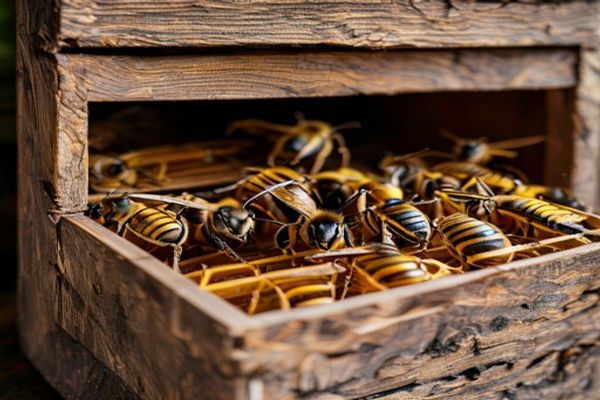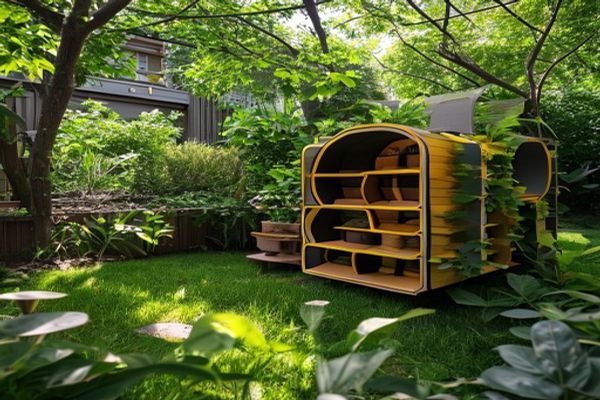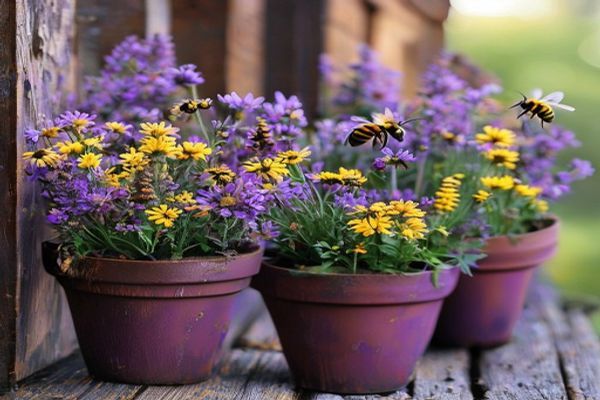
Are you buzzing with excitement to start your beekeeping journey in the Lone Star State? Understanding precisely when to install honey bees in Texas is the first critical step towards a thriving apiary. Texas, with its diverse climates and abundant flora, offers unique opportunities and challenges for beekeepers. Getting your bees established at the optimal time can make all the difference between a struggling colony and a booming hive producing delicious local honey. At Beekeepers.pro, we're dedicated to guiding Texas beekeepers through every season, ensuring you have the knowledge and resources for success.
When to Install Honey Bees in Texas: Your Ultimate Guide
For most of Texas, the ideal window for installing new honey bee colonies is typically late winter to early spring. This timing allows your bees to capitalize on the crucial early spring nectar flows, which are vital for rapid colony build-up. However, "Texas" isn't a monolithic entity; the state's vastness means regional variations in climate and floral availability play a significant role. Let’s break down the best strategies for when to install honey bees in Texas, considering these important nuances.
The Optimal Window: Early Spring for Texas Honey Bees
Generally, new bee packages or nucs are best installed from late February through April across much of Texas. This period aligns perfectly with the burgeoning spring blooms that provide the necessary pollen and nectar for a colony to grow strong. Think about when your local trees and wildflowers start to burst with life – that’s often your cue!
- South Texas (e.g., Rio Grande Valley, Coastal Bend): Installation can begin as early as late January to mid-February due to warmer temperatures and earlier bloom times.
- Central & East Texas (e.g., Austin, Houston, Dallas): Mid-February to late March is typically prime time.
- North & West Texas (e.g., Panhandle, El Paso): Due to cooler temperatures and later freezes, the optimal window shifts to March through April.
Regardless of your specific location, the key is to ensure consistent temperatures above 50-55°F (10-13°C) during the day and for a few days following installation. A sudden cold snap after installation can be detrimental to a new, vulnerable colony.
Factors Influencing When to Install Honey Bees in Texas
Beyond the calendar date, several environmental and practical factors should guide your decision on when to install honey bees in Texas:
1. Weather Conditions are Key
Always check the long-range forecast. You want a stretch of mild, calm weather. Rain and strong winds can stress new bees, making their initial orientation flights difficult and impeding their foraging. Remember, a successful installation sets the foundation for a productive year.
2. Abundant Forage Availability
Your bees need immediate access to nectar and pollen to build comb, feed larvae, and sustain themselves. Observe your local environment. Are dandelions, wild plums, redbuds, or other early blooming plants actively flowering? If natural forage is scarce, be prepared to provide supplemental feeding with sugar syrup and pollen patties. For more on ensuring your bees have enough to eat, explore Easy-to-Grow Pollinator Plants for Balcony Gardens | AR & TX Beekeeping.
3. Availability of Package Bees and Nucs
The supply of package bees and nucs from reputable breeders also dictates timing. Most suppliers aim to ship during the optimal spring windows for their regions, often starting with southern Texas in late winter and moving northward. Order early to secure your preferred delivery date! Understanding your equipment needs is also vital for successful installation; refer to our guide on Essential Urban Beekeeping Equipment for Small Backyards | Arkansas & Texas Guide.
Considering Fall Installation?
While spring is overwhelmingly preferred for installing new colonies, some experienced beekeepers consider fall installation, particularly for established colonies split late in the season. However, for beginners or those starting fresh, fall comes with significant challenges:
- Limited natural forage for colony buildup.
- Less time for bees to draw comb and store honey for winter.
- Increased risk of mites and diseases in a stressed, small colony.
- Higher supplemental feeding requirements.
Generally, for your first year, stick to the spring window when deciding when to install honey bees in Texas.
People Also Ask
When is bee season in Texas?
Bee season in Texas generally begins in late winter/early spring (February-March) as temperatures rise and forage becomes available, and continues through the summer until fall. Swarm season typically peaks from March to May.
How many hives can I have in Texas?
Texas state law does not generally restrict the number of hives, but local city ordinances may have rules regarding apiary size, setback from property lines, and registration. Always check with your local municipality.
What are the best bees for Texas?
Italian, Carniolan, and various local Texas survivor stock bees are popular choices. Many beekeepers find success with locally sourced nucs, as these bees are often better adapted to the regional climate and forage.
FAQ Section
When is the absolute latest I can install bees in Texas?
While spring is ideal, you can technically install bees as late as early summer (June) in Texas, especially if you plan to provide significant supplemental feeding. However, later installations give the colony less time to build up comb and honey stores for the upcoming winter, making them more vulnerable. It's generally not recommended for beginners.
What's the difference between installing package bees vs. nucs in Texas?
A package of bees consists of 3 lbs of worker bees and a caged queen, all without comb. Nucs (nucleus colonies) are typically 3-5 frames of established comb with brood, honey, pollen, and a naturally mated queen. Nucs generally get a faster start because they already have drawn comb and a laying queen, making them a popular choice for Texas beekeepers aiming for quicker establishment.
Do I need to feed my newly installed bees in Texas?
Yes, absolutely. Even if there's good natural forage, newly installed colonies need sugar syrup (1:1 sugar to water ratio) to stimulate comb drawing and boost colony growth. Pollen patties can also be beneficial, especially if natural pollen is scarce. Continue feeding until the bees have drawn out most of their first deep box frames and you observe consistent foraging activity.
Where can I find local bee suppliers in Texas?
Beekeepers.pro connects you with local resources and suppliers. We recommend seeking out local beekeeping associations, which often have lists of trusted suppliers for packages, nucs, and queens adapted to the Texas environment. Buying local often means healthier, more resilient bees.
Related: when to install honey bees in texas