
Are you an Arkansas beekeeper eager to provide the best possible start for your colonies after winter? Understanding the local flora is key to successful beekeeping, and few things are as vital as knowing the top native Arkansas wildflowers for spring honey bee foraging. As the Natural State awakens from its winter slumber, a vibrant tapestry of native blooms emerges, offering crucial nectar and pollen that fuel your bees and contribute to delicious regional honey.
Here at Beekeepers.pro, we're dedicated to empowering local beekeepers with geographically specific knowledge to help your hives thrive. Spring in Arkansas is a critical time for honey bee colonies to build strength, raise brood, and begin honey production. By understanding which native wildflowers flourish and when, you can better manage your apiary and ensure your bees have an abundant food supply.
Discovering the Top Native Arkansas Wildflowers for Spring Honey Bee Foraging
The health of your honey bee colony is directly linked to the diversity and availability of forage. Native Arkansas wildflowers are perfectly adapted to the local climate and soil conditions, making them resilient and reliable nectar and pollen sources. Supporting these plants not only benefits your bees but also contributes to the overall ecological health of our beautiful state.
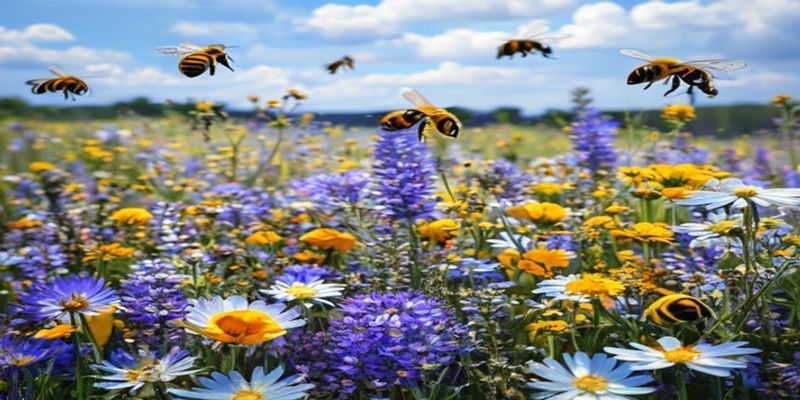
Essential Early Spring Forage for Arkansas Bees
As winter fades, some of the first sources of sustenance for emerging bees come from these invaluable native plants. These early blooms are critical for kickstarting the brood cycle and helping colonies recover from the colder months.
- Redbud (Cercis canadensis): While technically a small tree, the Redbud is an iconic symbol of Arkansas spring and an absolute powerhouse for honey bees. Its vibrant purple-pink blossoms, appearing before its leaves, provide copious amounts of nectar and pollen, making it one of the absolute top native Arkansas wildflowers for spring honey bee foraging. Beekeepers often report a distinct flavor in honey gathered during redbud bloom.
- Wild Plum (Prunus americana): Another early bloomer, Wild Plum trees and shrubs erupt with fragrant white flowers, offering both nectar and pollen. These hardy natives are vital for early season buildup, providing a critical boost when other sources are scarce.
- Spring Beauty (Claytonia virginica): A delicate yet abundant true wildflower, Spring Beauty forms carpets of small, pink-striped white flowers across woodlands and fields. While individually small, their sheer numbers make them a significant early nectar and pollen source for foraging bees, contributing to a diverse early spring diet.
- Virginia Bluebells (Mertensia virginica): Known for their stunning bell-shaped blue flowers, Virginia Bluebells are woodland treasures that bloom prolifically in early to mid-spring. They offer a rich supply of nectar, attracting a variety of pollinators, including our beloved honey bees.
- Wild Geranium (Geranium maculatum): Also known as Spotted Cranesbill, this charming purple wildflower is a common sight in Arkansas woodlands and edges. It provides valuable pollen and nectar throughout the mid-spring, sustaining colonies as they grow.
Cultivating a Bee-Friendly Arkansas Landscape
Incorporating these native plants into your landscape or identifying them in local foraging areas can dramatically benefit your apiary. Remember that planting a diverse array of native species ensures a continuous bloom cycle, providing forage from early spring through late fall. This practice not only aids your bees but also supports other native pollinators and local ecosystems.
For more insights into managing your hives during these crucial periods, check out our guide on Best Early Season Nectar Sources for Arkansas Beehives. Understanding these resources is key to proactive beekeeping.
People Also Ask
- What are the best plants for honey bees in Arkansas?
The best plants for honey bees in Arkansas are a mix of native trees, shrubs, and wildflowers like Redbud, Willow, Black Gum, Spring Beauty, and Asters, providing continuous nectar and pollen from early spring through fall.
- When do Arkansas wildflowers bloom for bees?
Arkansas wildflowers begin blooming for bees as early as late February with species like Redbud and Willow, continuing through spring with plants like Spring Beauty, Virginia Bluebells, and Wild Geranium, and into summer and fall with others.
FAQ Section: Top Native Arkansas Wildflowers for Spring Honey Bee Foraging
Q1: Why are native Arkansas wildflowers better for honey bees than non-native species?
A1: Native Arkansas wildflowers are intrinsically adapted to the local climate, soil, and ecosystem. This means they often require less water and maintenance, are more resistant to local pests and diseases, and provide the specific nutritional value (nectar and pollen profiles) that local pollinators, including honey bees, have evolved to utilize effectively. They also help support the broader native insect and wildlife populations, contributing to a healthier environment for your bees.
Q2: How can I identify top native Arkansas wildflowers for spring honey bee foraging in my area?
A2: Start by observing your local environment in early spring. Look for the distinctive blooms of Redbud trees, the delicate white of Spring Beauty in wooded areas, or the striking blue of Virginia Bluebells. Utilize field guides specific to Arkansas or the Ozarks/Ouachitas, and consider joining local native plant societies or beekeeping clubs for guided walks and expert advice. Apps like iNaturalist can also be very helpful for identifying plants in the field.
Q3: What role do early spring wildflowers play in colony health?
A3: Early spring wildflowers are absolutely critical for honey bee colony health. After a long winter, bees are eager to forage, and these first blooms provide the essential carbohydrates (nectar) for energy and proteins (pollen) for brood rearing. A strong influx of early spring forage allows the queen to ramp up egg-laying, leading to a rapid increase in colony population and strength, which is vital for honey production later in the season and overall hive vitality.
Related: top native arkansas wildflowers for spring honey bee foraging

